
Winter Weed Control: Strategies for Keeping Weeds at Bay During the Cold Months
As the chilly winds blow and the temperature drops, many gardeners and lawn enthusiasts might breathe a sigh of relief, thinking that they can finally take a break from battling those pesky weeds. But alas, nature has its way of surprising us, even during the winter months.
So, before you snuggle up by the fireplace and bid farewell to your gardening gloves, let’s dive into the importance of weed control and prevention, and explore the impact of winter weeds on our gardens and lawns.
How can we halt the growth of weeds when the temperature drops to freezing levels? Is there a winter weed killer that can help us maintain our outdoor sanctuaries? Join us on this weed-fighting adventure as we uncover strategies to keep those unwanted invaders at bay, even in the coldest of seasons.
Understanding Winter Weeds
Winter weeds are plants that thrive in cooler temperatures and tend to germinate and grow during the winter months. They can be particularly invasive and robust, posing a threat to the health and appearance of lawns, gardens, and agricultural fields. Unlike their spring and summer counterparts, winter weeds have adapted to withstand cold conditions and are capable of surviving even the harshest winter climates.
One of the defining characteristics of winter weeds is their ability to establish strong root systems that allow them to absorb water and nutrients from the soil. This enables them to compete with desirable plants and grasses for resources, often leading to stunted growth or even death of the desired vegetation. Additionally, winter weeds have a tendency to spread rapidly, thanks to their abundant seed production, further exacerbating the weed problem if left unaddressed.
Common Types Of Winter Weeds
In Australia, several common winter weeds pose significant challenges for gardeners and property owners. Some examples include:
Wintergrass (Poa annua): Wintergrass is an annual weed that appears as clumps of light green grass with prominent seed heads. It is a common invader of lawns, golf courses, and sports fields, thriving in cool and moist conditions.
Capeweed (Arctotheca calendula): Capeweed is a broadleaf perennial weed with yellow daisy-like flowers and fleshy leaves. It spreads quickly through its vigorous root system and can dominate pasture areas.
Bindii (Soliva sessilis): Bindii, also known as “Jo-Jo,” is a low-growing weed that produces sharp, spiky seeds commonly known as “bindii prickles.” It can infest lawns and cause painful discomfort when stepped on.
Shepherd’s Purse (Capsella bursa-pastoris): Shepherd’s Purse is an annual weed with heart-shaped seed pods. It thrives in disturbed soil and can quickly take over garden beds and cultivated areas.
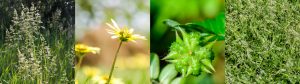
Common Winter Weeds
The Importance Of Winter Weed Control
Winter weed control is crucial for maintaining a healthy and appealing garden during Australia’s colder months. These invasive plants compete with desired plants for resources like sunlight, water, and nutrients, hindering their growth and making them vulnerable to diseases and pests. Effective weed control strategies ensure your garden thrives throughout winter, promoting overall health and beauty.
Winter weeds not only affect garden health but also impact spring planting and growth. If left unattended, they rapidly multiply, forming dense masses that are difficult to remove in warmer months. These weeds produce numerous dormant seeds in the soil, causing major weed problems in spring and hampering desired plant establishment. Proactive strategies like regular weeding and the use of winter weed killers prevent these issues, setting the stage for successful spring planting and vibrant growth in your garden.
Strategies For Weed Prevention
Pre-Emergent Herbicides
One of the most effective ways to prevent winter weeds from taking hold is by using pre-emergent herbicides. These specialised products target weed seeds and prevent them from germinating, providing a barrier against weed growth. Understanding how pre-emergent herbicides work is essential for successful weed prevention.
Pre-emergent herbicides create a protective layer in the soil that inhibits weed seed germination. By applying these herbicides before winter, you can effectively stop weeds from growing in the first place. It’s crucial to choose the right product for your specific weed problem, as different herbicides target different types of weeds.
To apply pre-emergent herbicides effectively, timing is key. The best time to apply them is just before the winter season when the soil temperature drops below a certain threshold that triggers weed seed germination. Follow the instructions provided by the manufacturer for optimal results.
Mulching
Mulching is a natural and environmentally friendly way to prevent weeds from growing in your garden beds and around trees during the winter months. It involves applying a layer of organic or inorganic material, such as wood chips, straw, or shredded leaves, to the soil surface.
The benefits of mulching for weed prevention are plentiful. Mulch acts as a protective barrier, preventing weed seeds from receiving the sunlight they need to germinate. It also helps retain moisture in the soil, reducing the competition between desirable plants and weeds for water.
To ensure effective weed prevention, follow these best practices for mulching in winter. Apply a layer of mulch that is around 2-4 inches thick, taking care not to pile it against the stems or trunks of plants. Choose mulch materials that are appropriate for your specific plants and garden conditions, and replenish the mulch as needed throughout the season.
Proper Lawn & Garden Maintenance
Proper maintenance of your lawn and garden plays a vital role in preventing winter weeds from taking over. Regular mowing is an essential practice for weed prevention, as it keeps the grass at a healthy height, preventing weeds from receiving the sunlight they need to thrive.
Additionally, adopting proper watering techniques can discourage weed growth. Water deeply and infrequently to encourage deep root growth in your desired plants, making it harder for weeds to establish themselves. Avoid overhead watering, as it can promote weed growth by spreading weed seeds.
Another crucial factor in weed prevention is soil health. Fertile, well-balanced soil provides optimal conditions for your desired plants, making it more difficult for weeds to compete. Regularly fertilising your lawn and garden with appropriate nutrients helps promote strong, healthy plant growth while minimising weed invasion.
How To Stop Weeds From Growing In Winter
Winter Weeding
When it comes to winter weeding, timing is key. Aim to tackle weeds on sunny days when the ground is not frozen or waterlogged. This ensures that the weeds are actively growing, making them easier to uproot. Take the time to identify the weeds in your garden, as different species require specific removal techniques. For shallow-rooted weeds, such as chickweed or annual bluegrass, hand-pulling is usually sufficient. On the other hand, tap-rooted weeds like dandelions may require a garden fork or weed tool for complete extraction.
Winter weeding not only removes existing weeds but also disrupts their life cycle. By eliminating weeds before they have a chance to set seed, you prevent the spread of future generations. This proactive approach helps maintain the integrity of your landscape and reduces the workload when spring arrives.
Use Of Winter Weed Killer
Winter weed killers are designed to target weeds active during the colder months while being safe for surrounding plants. Choose herbicides specifically labelled for winter weed control, with active ingredients effective against cold-season weeds.
Here are some of our products that are great for targeting weeds:
Bow and Arrow Herbicide: Bow and Arrow Herbicide sets the standard for broadleaf weed control in the Australian turf industry, specifically designed to effectively target and control various broadleaf weeds. It is safe to use with Buffalo Turf, providing a reliable solution for managing weeds in your turf.
Lawn Solutions OxaFert Herbicide and Fertiliser: Combat annual grasses and broad-leaf weeds preemptively with Lawn Solutions OxaFert Herbicide and Fertiliser. This pre-emergent herbicide effectively controls weed seedlings during germination, targeting common winter grass, crowsfoot, summer grass, creeping oxalis, and crabgrass. By preventing the growth and spread of these weeds for up to 12 weeks, OxaFert keeps your lawn weed-free.
Lawn Solutions Australia All Purpose Weed Control: Effectively eliminate common weeds such as Bindii, Creeping Oxalis, Catsear, Clover, Cudweed, Dandelion, and Thistles with our All Purpose Weed Control. This product is suitable for established couch, bent, kikuyu, paspalum, buffalo, zoysia, fescue, and rye lawns and turf.
When using any of these products or other winter weed killers, it is essential to follow the instructions carefully. Choose a dry day with no rain in the forecast to ensure optimal effectiveness. Take care to avoid spraying desirable plants, and consider using a shield or targeted applicator to minimise drift.
Remember, winter weed killers complement proper weeding; they are not a substitute. Use them to tackle persistent weeds that are challenging to remove by hand. By combining winter weeding with strategic herbicide use, you create a robust defence against winter weeds and a healthier, weed-free garden in the upcoming seasons
Take Charge of Your Garden: Start Winter Weed Control Today!
Investing time in winter weed control is essential for a healthier garden. By using strategies such as mulching, hand weeding, and natural weed killers, you can prevent winter weeds from taking over. Take action now to ensure a vibrant and weed-free garden all year round.

Contact Us Today!